Plant trees ALL ACROSS UZBEKISTAN and watch your forest grow

Plant your forest

Forest Save is the first eco-tech platform
for planting and looking after trees
to support the achievement of national goals and SDGs 13 and 15

Join us in forest restoration to counter:
1
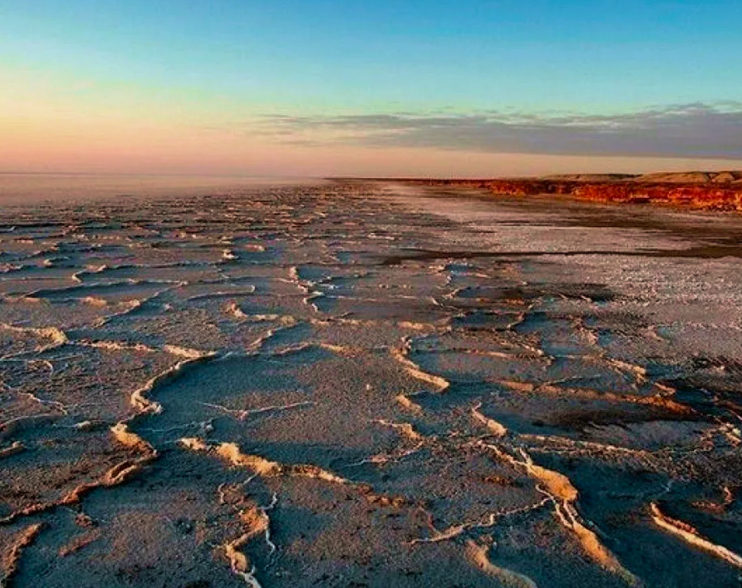
Degradation of the Aral Sea region
2
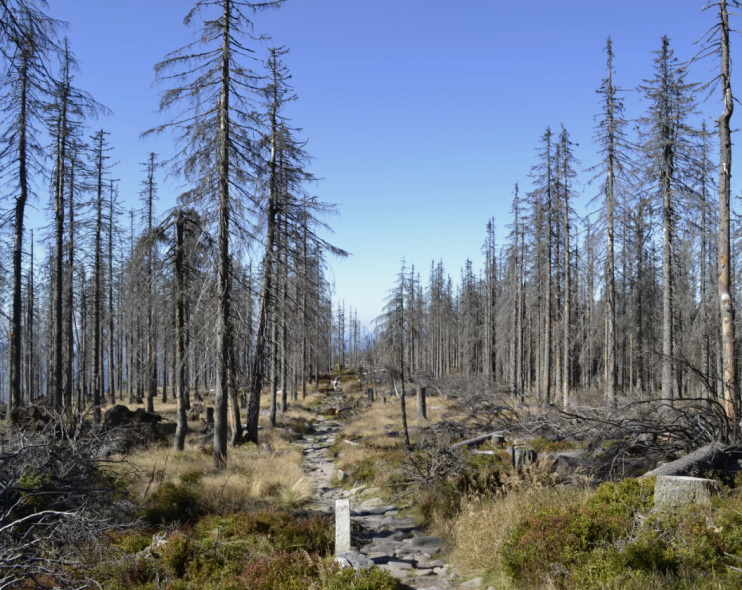
Shrinking forest cover
3
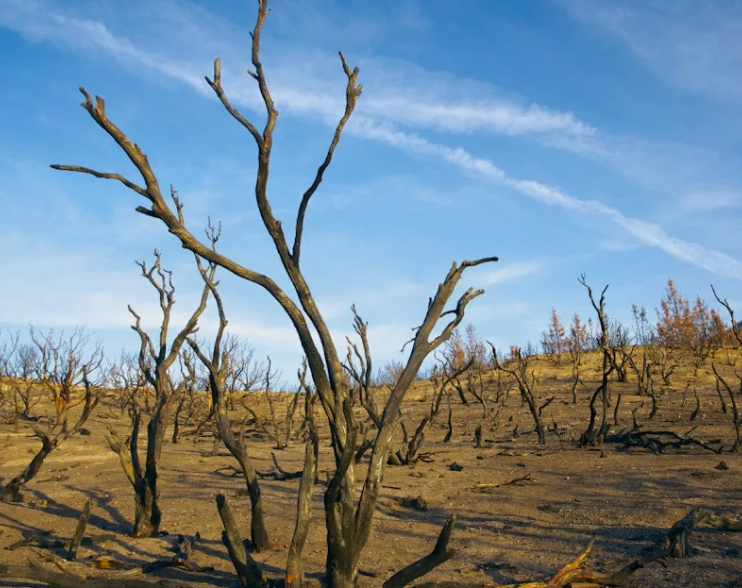
Desertification
and drought
4
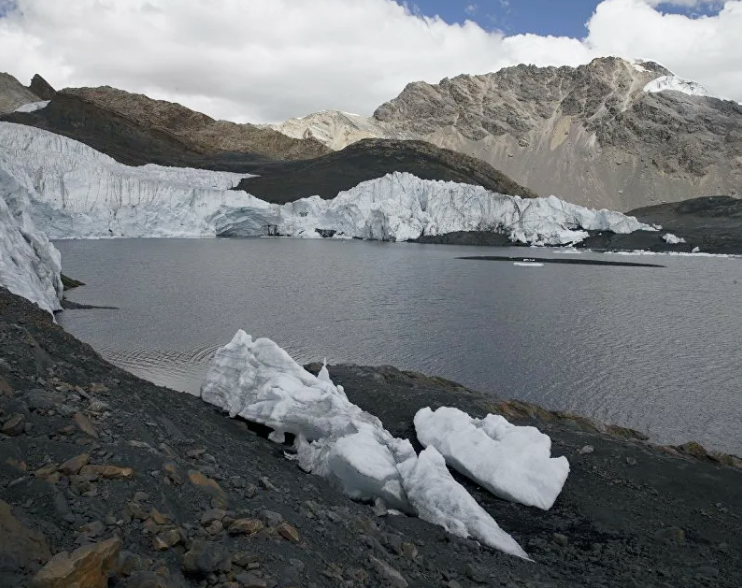
Disappearance of glaciers

Let's put a stop to an environmental disaster of global significance

The surface area of the Aral Sea has shrunk eightfold

The Aralkum sand-salt desert covers 5.5 million hectares and keeps growing

12 mammal species
and 11 fish species have nearly disappeared

26 bird species and 11 plant species are on the brink of extinction

Use our platform to help the Aral Sea region

Let's preserve Uzbekistan's unique flora and fauna

Over the past 30 years, 90%
of Uzbekistan's tugai forests have disappeared

Trees filter the air and absorb CO2, yet forests cover only 18% of Uzbekistan

The value of the country's forests has been recognized by the UN

Preserving Uzbekistan's rich nature requires the involvement of responsible businesses

Use our platform to help landscape your home country

Let's combat desertification and preserve
the fertility of Uzbekistan's land

9 square meters turn into desert every minute

By 2040, fertile land will remain in only two regions of Uzbekistan

Today, deserts already make up as much as 70% of Uzbekistan's territory

Every tree matters in the fight against desertification, so the future is in our hands

Use our platform to help protect communities from desertification

Let's preserve the majestic glaciers
of the Tian Shan and Pamir

Uzbekistan's glacier masses have shrunk by 30% in recent years

Uzbekistan's mountain glaciers lose up to 1% of their area every year

Melting glaciers threaten the river basins of the Amu Darya and
Syr Darya

Avalanches and landslides increasingly threaten local communities and infrastructure

Use our service to help prevent glaciers from melting

The simplest way to secure a better future for your country

Choose one of the reserves or national parks where your future forest will grow

Our Forest Save team will prepare the planting stock and the necessary paperwork

Come to the tree planting event together with your company's leaders and partners

Your own forest UZBEK LOGISTIC LLC
12 000
1 300 t CO2₂
Khorezm region
UN Sustainable Development Goals

Your project
will contribute
to the fight against climate
change
Your project
will help preserve
biodiversity
in Uzbekistan

Our mission is to provide simple and effective tools to care for nature

Demonstrate participation in achieving national goals
Strengthen your company's reputation and brand perception
Stand out from your competitors
Carry out the project for the benefit of local communities

A fair and prosperous future for Uzbekistan
is in the hands of responsible businesses

Growing social development, public welfare and business engagement are a defining feature of today's Uzbekistan. Economic growth leaves its mark on the environment. The country's sustainable future depends on the readiness of industry, the banking sector and the IT sector to take part in projects that preserve fragile ecosystems.

Your project has a proven impact on the country's environmental wellbeing

Your efforts are confirmed through rigorous
reporting and personal certificates

FOREST SAVE is a reliable partner in your quest for more environmentally positive initiatives
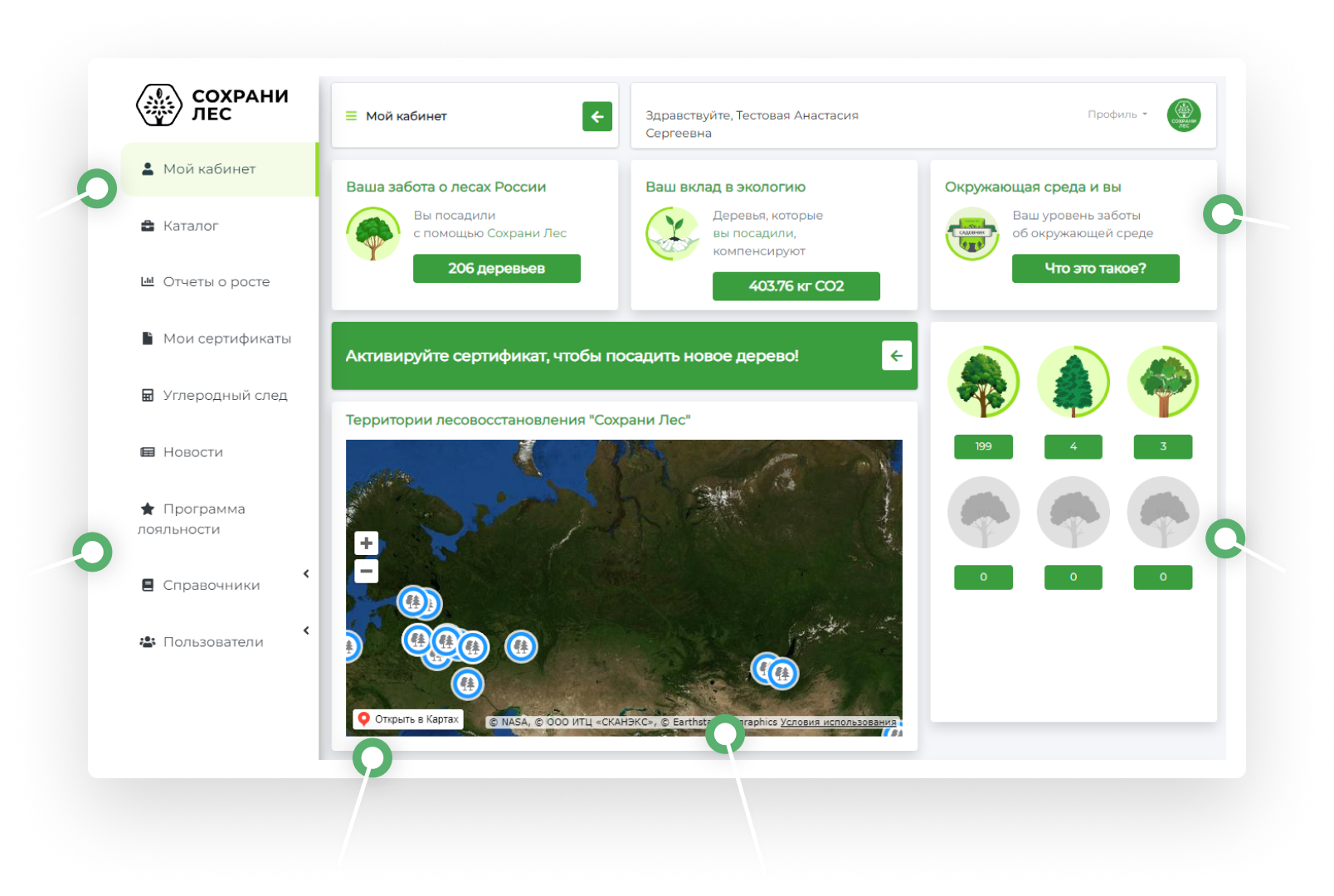
Registry of projects
with planted trees

so that your contribution is visible to the whole
country

Proprietary
software

serves as a digital framework to connect the entire project infrastructure

CO2 absorption and offset calculation

the effect is modeled based on global methodologies

Verified planting stock

only natural forest cultivars that won't harm nature

Monitoring and care
for the future forest

so that the results are appreciated by our children and grandchildren

Compliance with
industry standards

reforestation only in protected areas

Chatkal State Mountain-Forest Biosphere Reserve

Region:
Western Tian Shan
Flora:
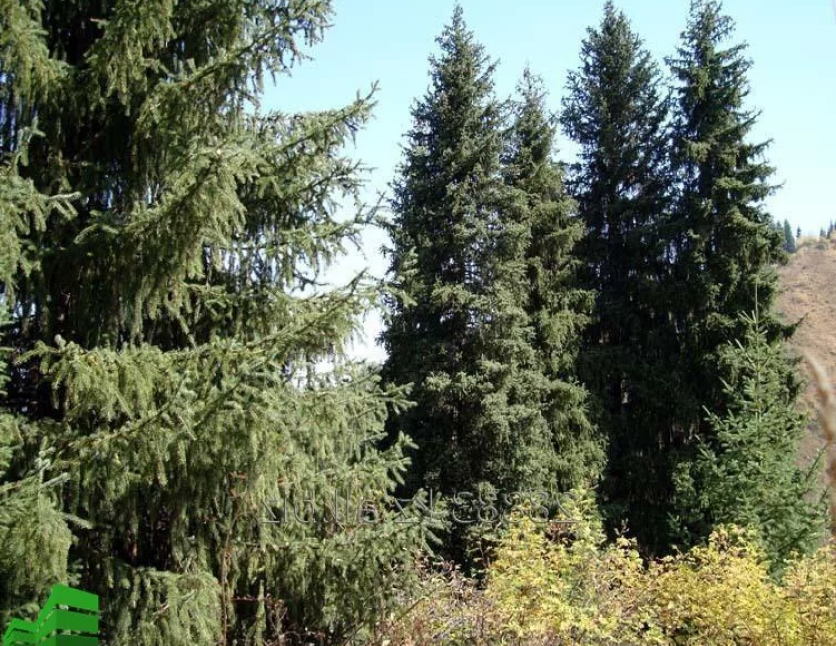
Tian Shan spruce
Black locust
Saxaul
Fauna:
Gray gecko
Great tit
Porcupine

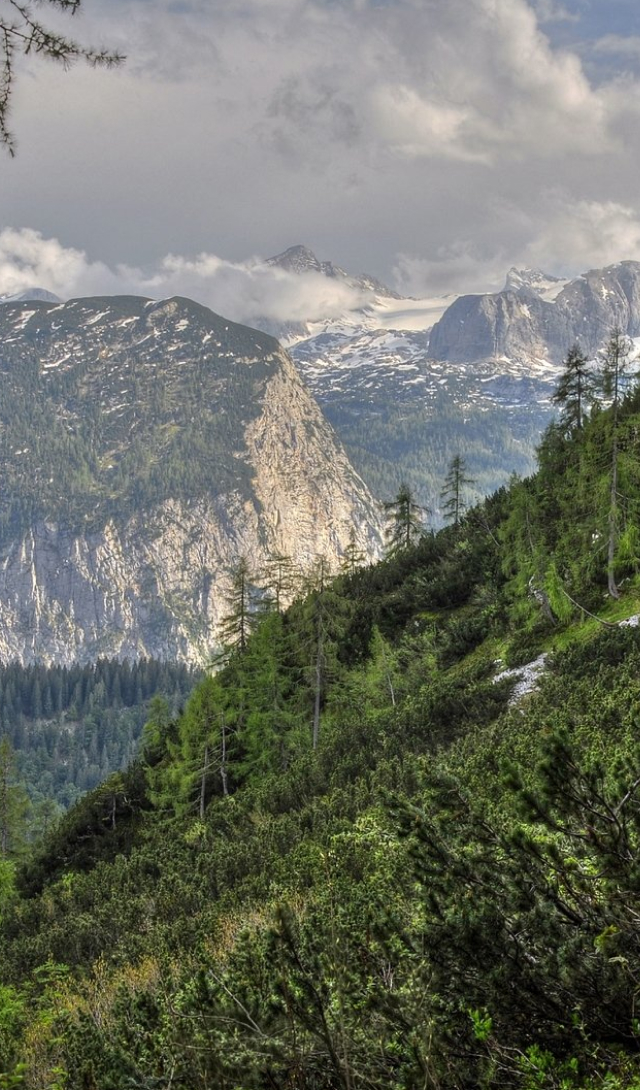
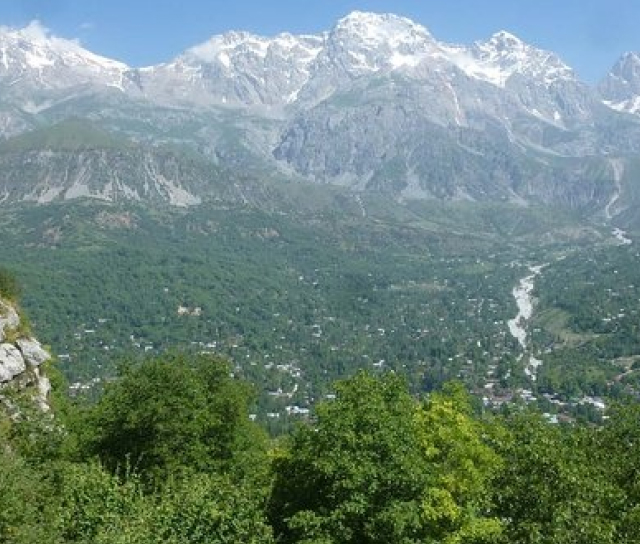
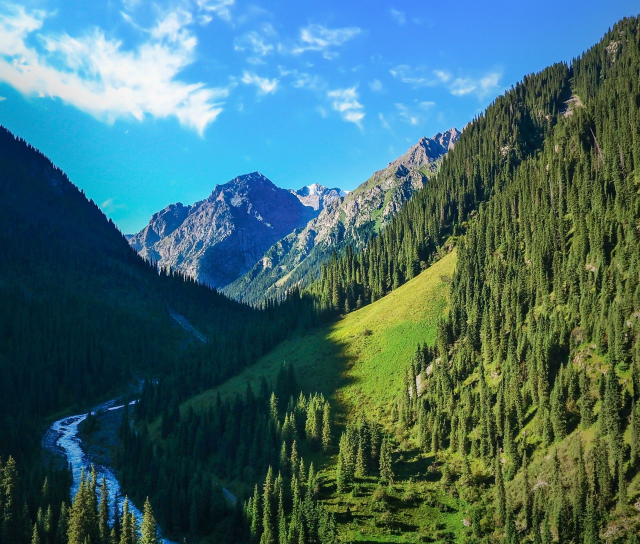
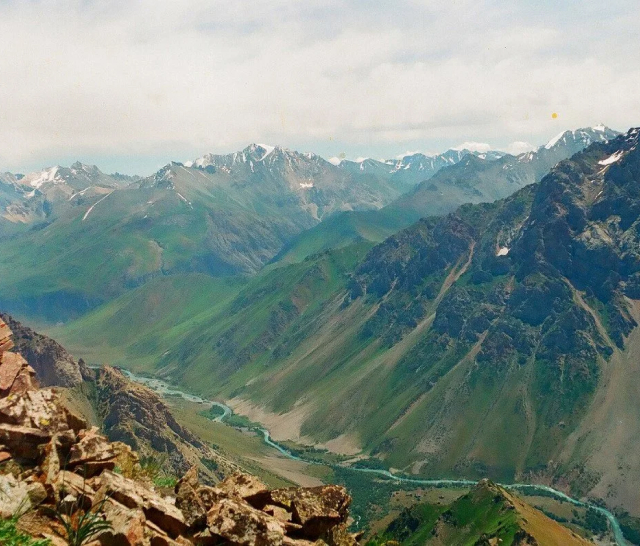
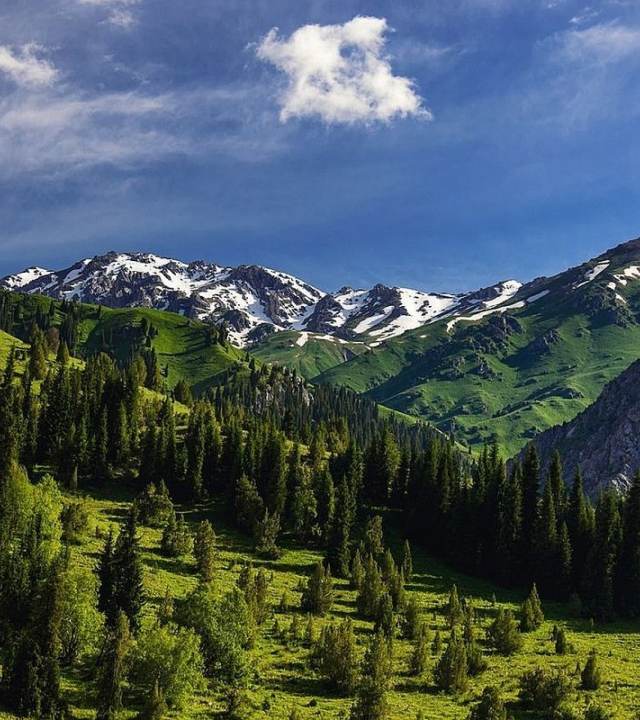
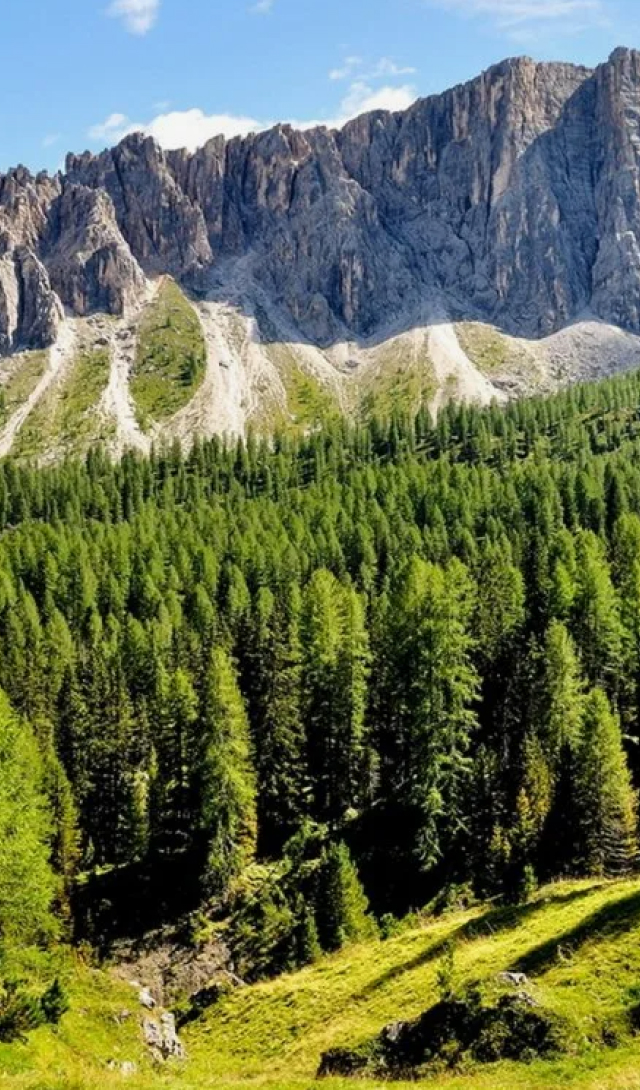
The Western Tian Shan attracts mountain flora enthusiasts with its remarkable plant diversity. At least 2,200 plant species grow here, ranging from the desert flora of Turan to the high-mountain flora of the Pamir-Alay. Most of them, 2,150 species, are flowering plants. As travelers ascend into the mountains, they cross five vegetation belts: 700–1,200 m, ephemeral and ephemeroid vegetation; 1,200–1,500 m, deciduous trees and shrubs; 1,500–2,300 m, juniper woodlands.

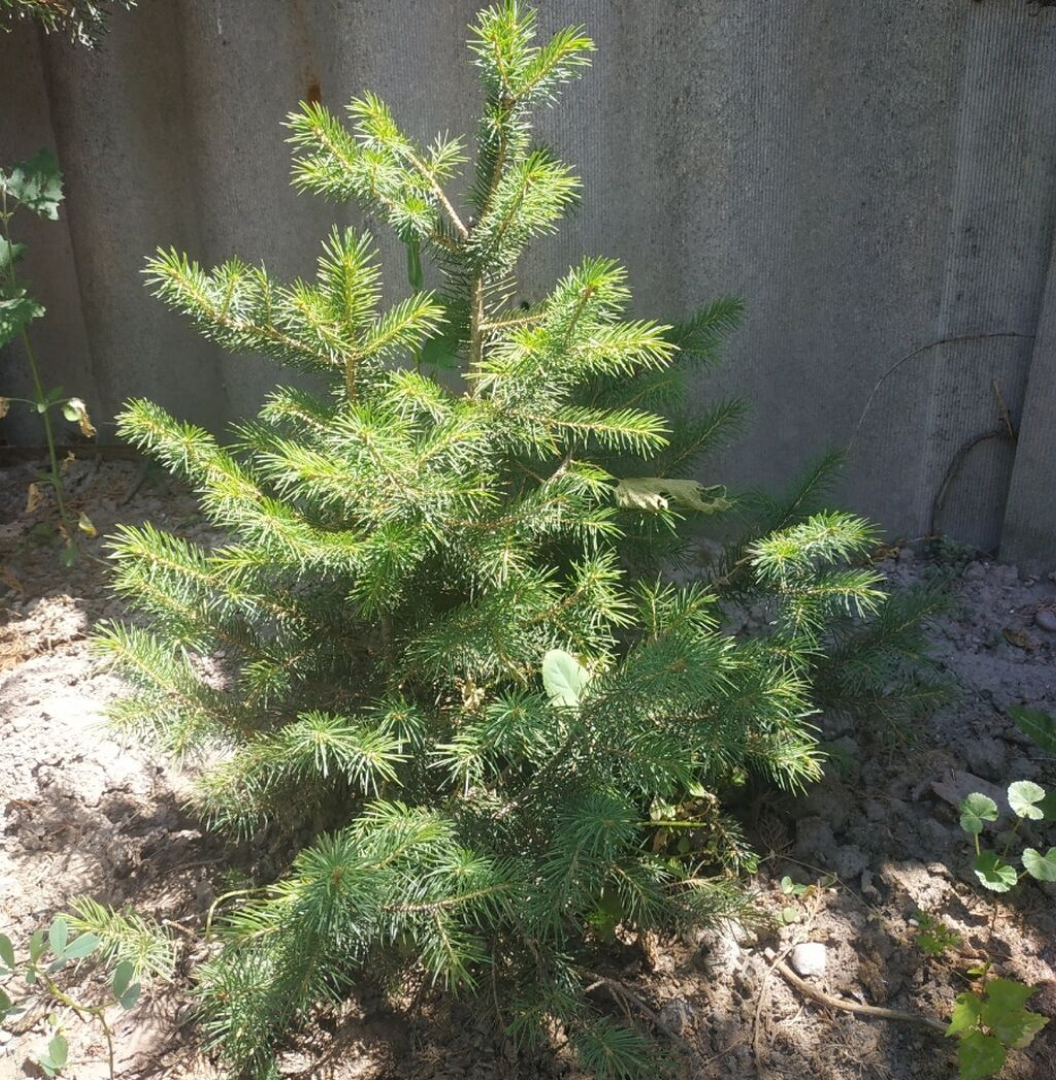
Tian Shan spruce Western Tian Shan
Class: Conifers Family: Pinaceae Suitability: native tree Seedling age: 1–2 years Mature height: 15–20 meters Mature diameter: 1–2 m
Emissions offset over the project period: 456 t CO2 / hectare

Description

The trees grow up to 60 meters tall, with trunks up to 2 meters in diameter. Their average lifespan is about 250–35 years. The bark is brown.

The crown is cylindrical or narrowly pyramidal. The root system is shallow. Alongside the regular roots are anchor roots, which, unlike feeding roots, encounter large stones or rocky outcrops in the soil,

Tian Shan spruce 2 Western Tian Shan
Class: Conifers Family: Pinaceae Suitability: native tree Seedling age: 1–2 years Mature height: 15–20 meters Mature diameter: 1–2 m
Emissions offset over the project period: 300 t CO2 / hectare

Description

The trees grow up to 60 meters tall, with trunks up to 2 meters in diameter. Their average lifespan is about 250–35 years. The bark is brown.

The crown is cylindrical or narrowly pyramidal. The root system is shallow. Alongside the regular roots are anchor roots, which, unlike feeding roots, encounter large stones or rocky outcrops in the soil.

Tian Shan spruce 3 Western Tian Shan
Class: Conifers Family: Pinaceae Suitability: native tree Seedling age: 1–2 years Mature height: 15–20 meters Mature diameter: 1–2 m
Emissions offset over the project period: 500 t CO2 / hectare

Description

The trees grow up to 60 meters tall, with trunks up to 2 meters in diameter. Their average lifespan is about 250–35 years. The bark is brown.

The crown is cylindrical or narrowly pyramidal. The root system is shallow. Alongside the regular roots are anchor roots, which, unlike feeding roots, encounter large stones or rocky outcrops in the soil.

Chatkal State Mountain-Forest Biosphere Reserve

Region:
Western Tian Shan
Flora:
Tian Shan spruce
Black locust
Saxaul
Fauna:
Gray gecko
Great tit
Porcupine

The Western Tian Shan attracts mountain flora enthusiasts with its remarkable plant diversity. At least 2,200 plant species grow here, ranging from the desert flora of Turan to the high-mountain flora of the Pamir-Alay. Most of them, 2,150 species, are flowering plants. As travelers ascend into the mountains, they cross five vegetation belts: 700–1,200 m, ephemeral and ephemeroid vegetation; 1,200–1,500 m, deciduous trees and shrubs; 1,500–2,300 m, juniper woodlands.

Chatkal State Mountain-Forest Biosphere Reserve 2

Region:
Western Tian Shan
Flora:
Tian Shan spruce
Black locust
Saxaul
Fauna:
Gray gecko
Great tit
Porcupine

The Western Tian Shan attracts mountain flora enthusiasts with its remarkable plant diversity. At least 2,200 plant species grow here, ranging from the desert flora of Turan to the high-mountain flora of the Pamir-Alay. Most of them, 2,150 species, are flowering plants. As travelers ascend into the mountains, they cross five vegetation belts: 700–1,200 m, ephemeral and ephemeroid vegetation; 1,200–1,500 m, deciduous trees and shrubs; 1,500–2,300 m, juniper woodlands.

Chatkal State Mountain-Forest Biosphere Reserve 3

Region:
Western Tian Shan
Flora:
Tian Shan spruce
Black locust
Saxaul
Fauna:
Gray gecko
Great tit
Porcupine

The Western Tian Shan attracts mountain flora enthusiasts with its remarkable plant diversity. At least 2,200 plant species grow here, ranging from the desert flora of Turan to the high-mountain flora of the Pamir-Alay. Most of them, 2,150 species, are flowering plants. As travelers ascend into the mountains, they cross five vegetation belts: 700–1,200 m, ephemeral and ephemeroid vegetation; 1,200–1,500 m, deciduous trees and shrubs; 1,500–2,300 m, juniper woodlands.